
Alar Batten Graft
Alar batten grafts are a versatile rhinoplasty technique used primarily to support and strengthen the nasal sidewall where it is weak, collapsed, or at risk of collapse. They serve both functional and, in some cases, structural aesthetic purposes.
What is an Alar Batten Graft?
An alar batten graft is a thin, carefully shaped piece of cartilage placed over the lateral nasal sidewall — typically bridging the area between the alar cartilage and the adjacent facial bone. It can be placed through a small pocket inside the nose as a standalone procedure, or sutured directly into position as part of a more comprehensive rhinoplasty.
Batten grafts are most commonly made from cartilage harvested from the nasal septum (first preference) or from the conchal bowl of the ear. The ear cartilage harvest site is located on the back of the ear and generally leaves no visible change to the ear shape.
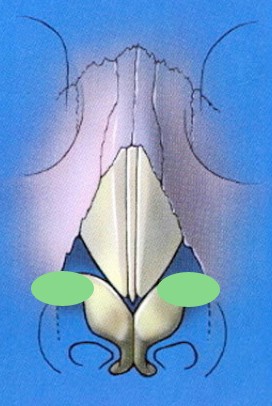
Alar batten graft — typical position on the nasal sidewall
What Do Alar Batten Grafts Do?
Visibility of the Grafts
Whether alar batten grafts are visible depends on the patient’s skin thickness and the purpose of the graft. In patients with thin skin, the graft may initially be palpable or visible as a slight fullness under the skin — this typically becomes less noticeable as the graft integrates into the surrounding tissue over time. In patients with thicker skin, grafts are generally well concealed. Where the graft is being used to fill a visibly depressed area of the nasal sidewall, a degree of visible change is the intended outcome.
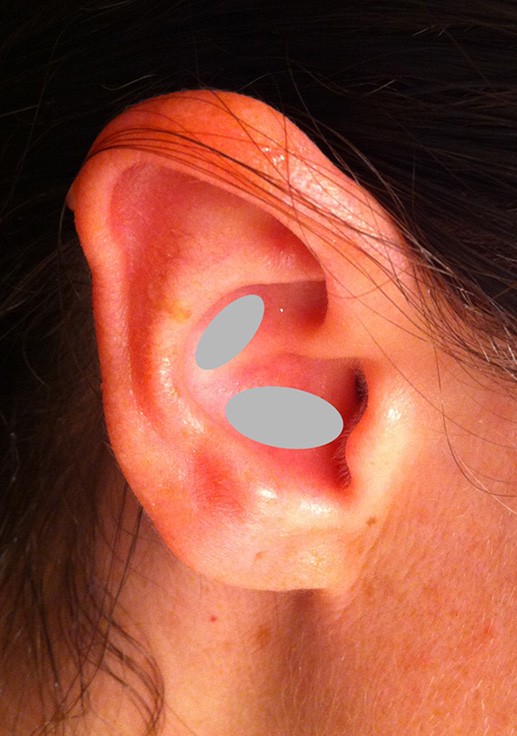
Ear cartilage harvest site — the ear maintains its shape after harvest
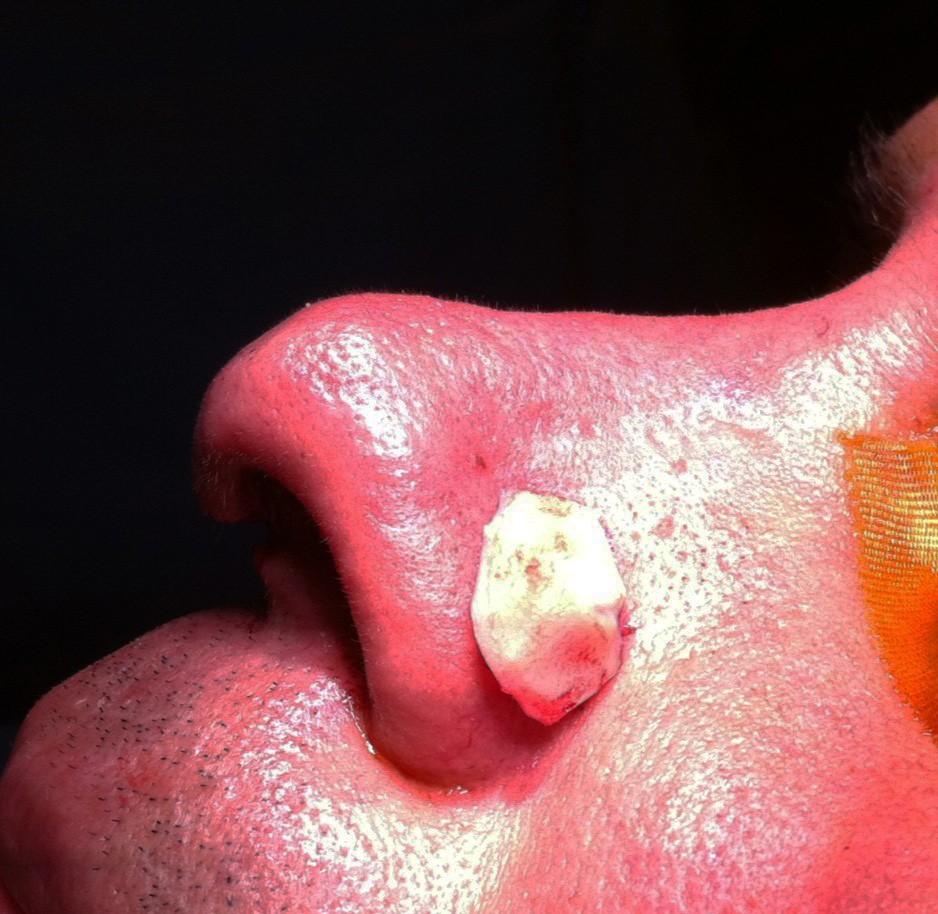
Possible position for an alar batten graft on the nasal sidewall
Contact us to arrange a consultation → | Nasal Valve Collapse → | Rhinoplasty Surgery →
Dr Roth’s Clinical Perspective
Alar batten grafts are one of the techniques I use routinely in rhinoplasty where lateral wall collapse is a contributing factor — which is more often than patients realise. Many patients presenting for cosmetic rhinoplasty have some degree of dynamic external valve weakness that they have adapted to without recognising as a structural problem. Addressing it at the same time as the cosmetic work improves both the breathing outcome and the durability of the cosmetic result, because a properly supported lateral wall does not distort over time the way a weakened one can.
— Dr Jason Roth, MBBS, FRACS (ORL-HNS), IBCFPRS
Specialist Otolaryngologist & Head and Neck Surgeon
Specialist registration — Otorhinolaryngology, Head & Neck Surgery
View full profile
