Ultraclear Laser
All treatments carry risks and individual results vary. The outcomes shown in any images on this page are relevant only to the specific patient depicted and may not reflect the results that other patients may experience. Decisions about laser skin treatment should be made after careful consideration and following consultation with a qualified medical practitioner.
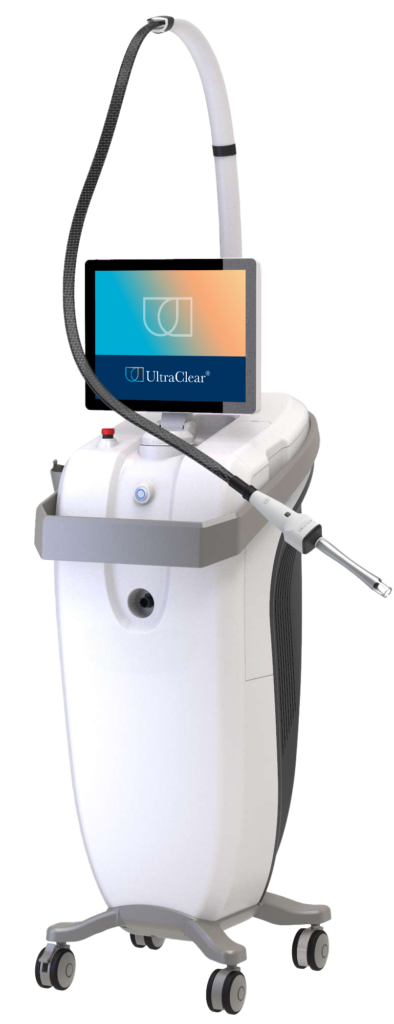
UltraClear is a fractional ablative laser using a 2,910nm mid-infrared wavelength — a wavelength strongly absorbed by water in skin tissue, which allows precise, controlled ablation of the epidermis and upper dermis. Dr Roth’s practice has offered UltraClear skin laser treatment since acquiring the device in 2023. It is used for skin resurfacing in appropriately selected patients, primarily to address the effects of photoageing, acne scarring, and skin texture concerns on the face and neck.
Whether UltraClear is appropriate for your skin type, concerns, and individual circumstances is assessed at consultation. Not all patients will be suitable candidates. A consultation with Dr Roth is required before any treatment proceeds.
What is UltraClear?
UltraClear is a fractional ablative fibre laser with a 2,910nm erbium-doped glass fibre wavelength — distinct from the 2,940nm wavelength of conventional erbium:YAG lasers, and positioned between the ablative erbium and resurfacing CO₂ ranges in its tissue interaction characteristics. At this wavelength, the laser energy is strongly absorbed by water in the skin, producing precise ablative channels in the epidermis and superficial dermis while minimising thermal spread to surrounding tissue.
The device uses a proprietary 3DIntelliPulse™ delivery system that alternates ablative and coagulative energy within each microbeam. Each micro-column of treated tissue undergoes both surface ablation and a controlled depth of thermal coagulation — the combination intended to stimulate collagen remodelling in the dermis while the epidermis re-epithelialises from the surrounding untreated skin. The fractional treatment pattern leaves columns of untreated skin between each microbeam, which accelerates healing compared to fully ablative resurfacing.
Treatment settings — energy, density, beam size, and the ratio of ablative to coagulative energy — are adjustable, allowing the treatment to be calibrated from a light fractional resurfacing (similar in depth to a medium chemical peel) through to a more intensive resurfacing for deeper concerns. Dr Roth selects the settings at the time of treatment based on consultation assessment, skin type, and the clinical goals being addressed.
What Conditions May UltraClear Be Used For?
UltraClear may be considered for patients presenting with the following concerns, following consultation and clinical assessment:
- Photoageing and sun damage — dyspigmentation, uneven skin tone, skin texture changes
- Fine lines and superficial wrinkles
- Acne scarring — including rolling, boxcar, and superficial icepick scars
- Minor traumatic or surgical scarring
- Uneven skin texture and pore prominence
- Skin laxity of the face, neck, décolletage, or body
The UltraClear laser is not appropriate for all skin types or all presentations. Patients with active skin infections, certain inflammatory skin conditions, recent isotretinoin use, or who are pregnant may not be suitable candidates. Fitzpatrick skin types IV–VI require specific assessment and adjusted treatment parameters to reduce the risk of post-inflammatory hyperpigmentation. Suitability is assessed at consultation.
Before Your Treatment
A consultation with Dr Roth is required before any UltraClear treatment proceeds. This involves a review of your skin history, current medications, previous treatments, and a clinical assessment of your skin type and the concerns you want addressed. Realistic expectations and the likely number of treatments required for your specific concern will be discussed.
In the weeks before treatment: avoid excessive sun exposure and tanning, use SPF50+ sunscreen consistently, and discontinue retinoids for at least one week prior. Discuss any blood-thinning medications with Dr Roth before treatment. Patients prone to cold sores should advise the practice so that antiviral prophylaxis can be arranged. On the day of treatment, arrive with clean skin — no make-up, moisturiser, or sunscreen.
The Treatment
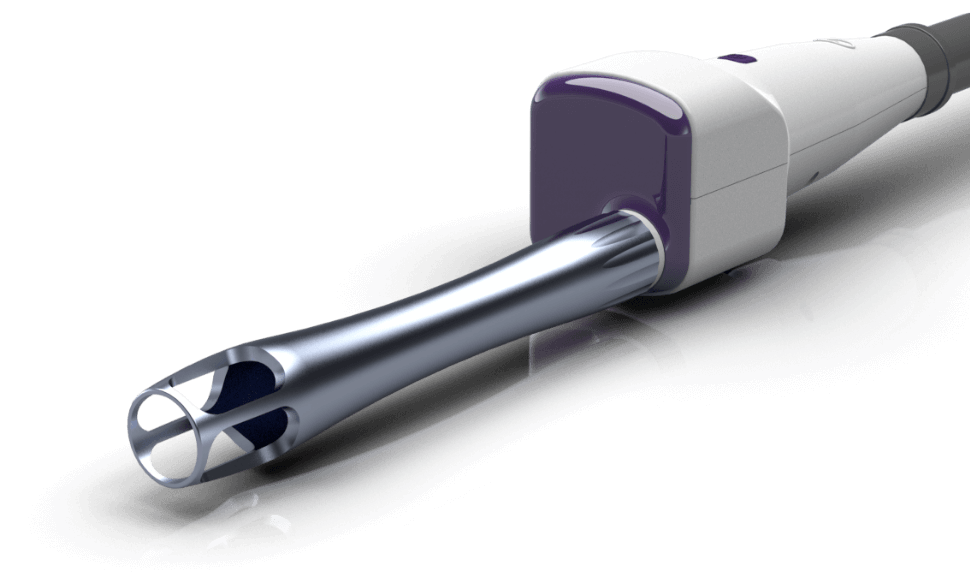
UltraClear treatment is performed in the treatment room at the practice. Topical anaesthetic cream is applied for approximately 30 minutes before the procedure begins. Protective eyewear is worn by both the patient and treating clinician throughout. The laser handpiece is passed systematically over the treatment area — a full face treatment typically takes 15 to 30 minutes depending on the settings used. During the treatment, patients typically experience a mild pinching or prickling sensation. A cooling gel or soothing mask is applied at the end of the session.
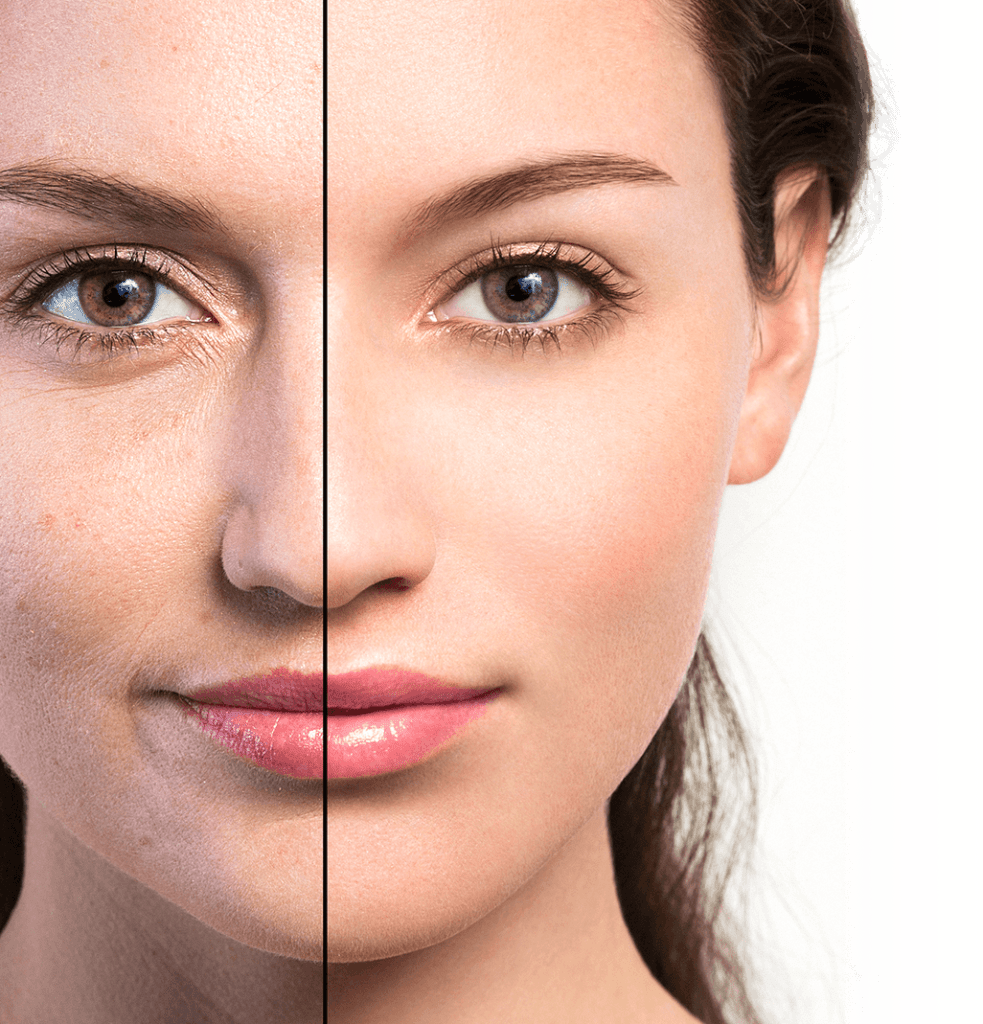
All results are relevant only to the specific patient depicted and do not reflect the results other patients may experience. Individual results vary.
Recovery
Recovery depends on the treatment settings used and individual skin response. At lighter settings, redness and mild swelling typically settle within one to two days and most patients can apply make-up and return to normal activities within 24 hours. At more intensive settings, plan for approximately seven to ten days of visible healing — swelling and redness are most pronounced in the first two to three days, after which crusting resolves and new skin surfaces. Social presentability at more intensive settings is typically restored after ten to fourteen days.
Full skin remodelling and collagen production continues over several weeks to months after treatment. The timeline for visible improvement varies considerably between individuals and cannot be predicted with certainty.
Post-treatment care: gentle cleansing only, prescribed moisturising ointment applied regularly, strict sun avoidance for at least two to four weeks, and consistent SPF50+ sunscreen use thereafter. Active skincare ingredients — retinoids, AHAs, vitamin C — should be avoided for approximately two weeks. All post-treatment instructions are provided in writing at the time of treatment.
Risks and Potential Complications
All laser skin treatments carry risk. Potential side effects and complications include redness, swelling, crusting and peeling during healing, temporary or permanent pigmentation changes (hyperpigmentation or hypopigmentation), infection, and scarring. Post-inflammatory hyperpigmentation is a particular risk in darker skin types (Fitzpatrick IV–VI) and requires specific pre-treatment preparation and post-treatment care. Serious complications are uncommon but can occur.
Patients with certain skin conditions, active infections, recent isotretinoin use, or who are pregnant are not suitable candidates. A full discussion of the risks relevant to your individual skin type and circumstances will take place at consultation before any treatment is agreed to.
Contact us to arrange a consultation →
Dr Roth’s Clinical Perspective
UltraClear sits in a specific part of the laser resurfacing spectrum — more precise and with less thermal spread than CO₂, and capable of more depth than non-ablative treatments. That combination is genuinely useful for the right indications. The consultation question I work through is whether laser resurfacing is the right category of treatment for what the patient is trying to address, and if so, whether the intensity of treatment appropriate to their concern is one their skin type and healing capacity can manage.
Patient selection is where laser outcomes are determined. A lighter treatment on someone with significant acne scarring will not produce a meaningful result. A more intensive treatment on someone with darker skin or a history of post-inflammatory hyperpigmentation carries a real risk of worsening what they came to treat. These conversations happen at consultation, before any treatment is planned, because the intensity decision is not one that should be made on the day.
I also want to be clear about what laser resurfacing does not address: it does not lift descended tissue, it does not replace volume, and it does not correct structural concerns of the nose or eyelids. For patients with significant facial ageing, laser resurfacing is most useful as a complement to surgery — improving skin quality after structural work has been done — rather than as a primary correction.
— Dr Jason Roth, MBBS, FRACS (ORL-HNS)
Frequently Asked Questions
Common questions about UltraClear laser skin treatment answered by Dr Jason Roth’s practice.
CO₂ lasers use a 10,600nm wavelength and are fully ablative or fractional ablative at a deeper level — they are highly effective but involve more significant downtime (typically 10–14 days or more for fully ablative treatment) and carry a higher risk of post-inflammatory pigmentation changes, particularly in non-Caucasian skin types.
UltraClear’s 2,910nm wavelength sits in a different part of the mid-infrared spectrum — closer to erbium:YAG in its tissue interaction characteristics, with a more precise ablation profile and less thermal spread to surrounding tissue. This translates to effective resurfacing with a more controlled recovery profile than traditional CO₂ at comparable treatment depths. The specific advantages in your situation will be discussed at consultation.
This depends entirely on what is being treated and the settings used. For mild photoageing and skin texture concerns, a single treatment at moderate settings may produce a meaningful improvement. For acne scarring or more significant photoageing, a series of two to four treatments at intervals of six to eight weeks typically produces the most reliable outcomes. The appropriate treatment plan for your concerns will be discussed at consultation — it is not possible to give a general number without assessing your skin.
UltraClear can be used across a range of skin types, but patients with darker skin tones (Fitzpatrick types IV–VI) require careful assessment, pre-treatment preparation with skin-lightening agents, conservative treatment parameters, and diligent post-treatment sun protection to minimise the risk of post-inflammatory hyperpigmentation. This risk is real and is discussed in full at consultation. Patients with very dark skin or active tanning are generally not suitable candidates.
Initial improvements in skin texture and tone are often visible once the healing phase is complete — typically within two weeks for moderate settings. However, the main collagen remodelling response occurs over the subsequent weeks to months, meaning the full result is not apparent until eight to twelve weeks after treatment. For acne scarring in particular, results continue to develop for several months.
The structural changes to the dermis from collagen remodelling are durable — the improvement in skin texture and scar appearance does not simply reverse. However, the skin continues to age and accumulate photoageing changes over time, and ongoing sun protection is essential to preserving the results. Annual maintenance treatments may be appropriate for some patients.
UltraClear can be combined with other skin treatments in a staged programme — for example, injectable treatments for volume, muscle relaxants, or other skin treatments at appropriate intervals. Combining laser resurfacing with surgical procedures (facelift, blepharoplasty) requires careful timing and is discussed individually. The appropriate combination and sequencing for your concerns will be discussed at consultation.
Request a consultation → | About Dr Roth → | Facial Surgery Procedures →
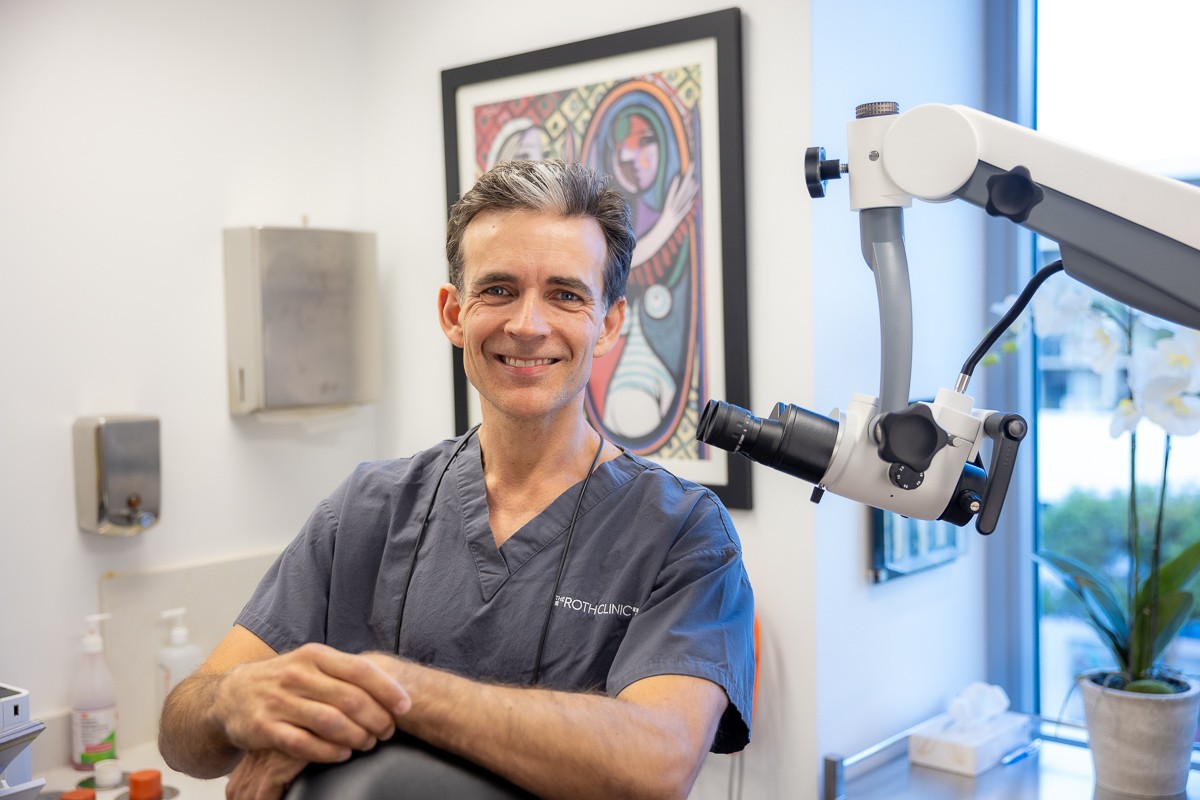
Specialist Otolaryngologist & Head and Neck Surgeon
Specialist registration — Otorhinolaryngology, Head & Neck Surgery
View full profile
