Septoplasty Pre-Operative Information
This page provides pre-operative and post-operative information for patients who have completed their consultations with Dr Roth and are preparing for septoplasty. It should be read alongside the written instructions provided at your pre-operative appointment. If anything here is unclear or conflicts with instructions you have been given directly, please contact the rooms.
About Septoplasty
Septoplasty is surgical correction of a deviated or deformed nasal septum — the thin wall of cartilage and bone dividing the nasal cavity into two passages. The primary goal is to restore nasal airflow. The procedure is performed entirely through the nostrils in the vast majority of cases, leaving no external scars. It is performed under general anaesthesia as day surgery, although some patients may require an overnight stay.
Septoplasty is frequently combined with turbinoplasty (reduction of the inferior turbinates), sinus surgery (FESS), or rhinoplasty. Where both functional and cosmetic nasal goals are being addressed together, the combined procedure is called a septorhinoplasty. The specific combination planned for your surgery will have been discussed at your consultations.
Septoplasty may attract Medicare and private health insurance rebates where documented nasal airflow obstruction meets the applicable MBS item number criteria.
Before Surgery
Medications to Cease
- Aspirin and any aspirin-containing products
- Ibuprofen (Nurofen, Advil) and all other anti-inflammatory medications
- Naproxen (Naprosyn, Naprogesic)
- Warfarin, clopidogrel, or other anticoagulants — discuss with Dr Roth and your GP before stopping
- Vitamin E supplements
- Fish oil
- Garlic tablets
- Ginkgo biloba and ginseng
- St John’s Wort
Continue all regular prescribed medications unless specifically advised otherwise. A full list is available on the Medications to Avoid page →
Smoking
Smoking — including cigarettes, vaping, and nicotine patches — impairs wound healing and increases the risk of post-operative bleeding and infection. Cessation for at least two weeks before surgery is required, and preferably longer.
Fasting
Practical Preparations
- Arrange a responsible adult to drive you home from hospital and stay with you on the first night
- Purchase prescribed medications in advance — prescriptions are issued at the pre-operative appointment
- Purchase a large-volume saline nasal irrigation kit (NeilMed Sinus Rinse or Flo Sinus Rinse) before surgery — nasal irrigation begins the day after surgery
- Plan at least one full week away from work; two to three weeks off sport and heavy physical activity
- Prepare light meals in advance
What to Expect in Recovery
Important Post-Operative Instructions
- Begin nasal saline irrigation the day after surgery — twice daily using a large-volume delivery bottle (NeilMed Sinus Rinse). This is one of the most important steps in a good recovery
- Avoid nose blowing for 48 hours; after this, blow very gently one nostril at a time
- If you need to sneeze, open the mouth widely to reduce pressure through the nose
- Avoid straining, heavy lifting, bending forward, and strenuous exercise for two weeks
- Avoid hot showers, hot meals, and alcohol — these increase blood flow to the nose and risk of bleeding
- Keep nasal splints moist if in place — do not allow them to dry out and crust
- Complete the full course of antibiotics as prescribed
- Use the prescribed nasal decongestant (Drixine) for no more than three days
- Take paracetamol regularly for pain — avoid ibuprofen and all anti-inflammatory medications after surgery
Pain Management
Septoplasty is usually not particularly painful, but this varies depending on the extent of surgery. Discomfort may be referred to the ears, face, or teeth. Occasionally patients have a sore throat from the breathing tube used during anaesthesia. Most discomfort settles after 2–3 days.
Managing Bleeding
Most patients have no nasal packing inserted at the end of surgery. Some slow ooze in the first few hours after surgery is normal. Wet blood clots or dried blood during nasal irrigation in the first week is also normal — gently irrigate these out.
If brisk continuous bleeding occurs:
- Lean forward and squeeze the nostrils shut firmly. Hold for 20 minutes.
- Do not blow your nose.
- Check whether bleeding has ceased or is slowing.
- If slowing, hold for a further 20 minutes.
- If bleeding is not slowing after the first 20 minutes — contact Dr Roth immediately and attend your nearest emergency department by ambulance if necessary.
When to Seek Urgent Assistance
- Brisk bleeding that does not settle after 20 minutes of firm direct pressure
- Fever above 38.5°C
- Increasing pain, redness, or swelling around the nose
- Any discharge that appears purulent (cloudy or discoloured)
- Sudden complete bilateral nasal blockage (may indicate septal haematoma — requires urgent review)
- Clear watery fluid draining from the nose after the first 24 hours (may indicate a CSF leak — rare but requires urgent assessment)
Dr Roth’s rooms: (02) 9982 3439
Out of hours: attend the nearest emergency department.
Nasal Packing, Splints, and Spacers
- In the vast majority of cases no splints or nasal packing are required.
- If soft silastic (silicone) splints are placed, they will be removed at the one-week post-operative appointment. Keep them moist to avoid crusting — do not allow them to dry out.
- Spacers used for sinus surgery are positioned high in the sinuses and most patients are unaware of them. They are removed gently after one week.
Nasal Irrigation — Why It Matters
Twice-daily saline nasal irrigation beginning the day after surgery is one of the most important components of recovery — it is not optional. It clears blood, mucus, and crusting from the healing nasal passages, reduces infection risk, and significantly speeds the recovery of normal nasal function.
- Use a large-volume delivery bottle — NeilMed Sinus Rinse or Flo Sinus Rinse. Small pump sprays are not adequate.
- Use boiled water (cooled to room temperature) or sterile water — never tap water directly.
- Keep the bottle dry between uses, store with the lid off, and clean regularly.
- Purchase the kit before surgery so it is ready from the morning after the procedure.
Follow-Up Appointments
Follow-up is essential to achieve the best results from nasal surgery. The first post-operative appointment is at approximately one week — splints or spacers are removed, the nose is cleaned under microsuction, and your early recovery is assessed. Subsequent appointments are scheduled as required. Please do not miss your post-operative appointments.
Septoplasty — Full Information → | Contact the Rooms →
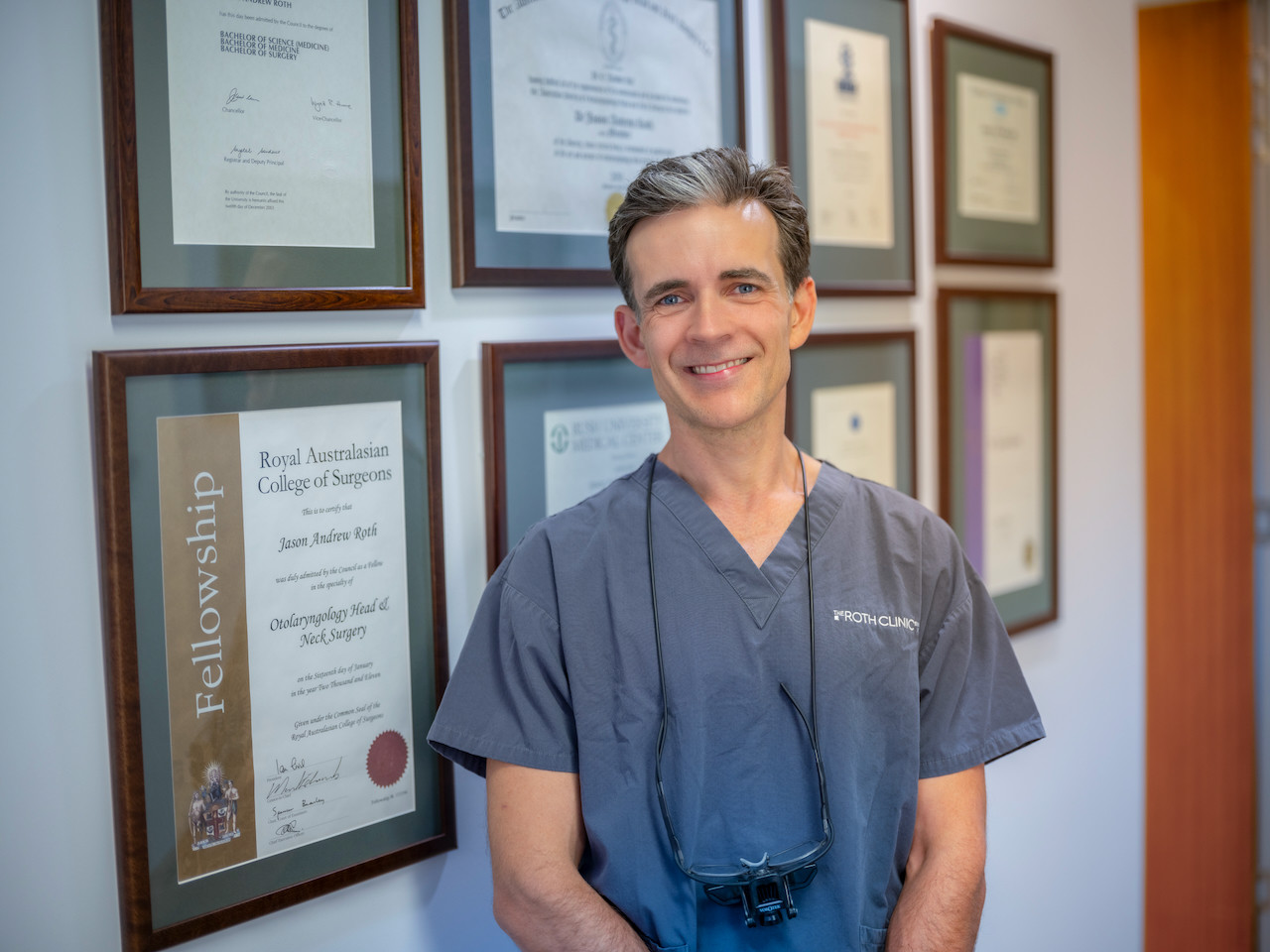
Specialist Otolaryngologist & Head and Neck Surgeon
Specialist registration — Otorhinolaryngology, Head & Neck Surgery
View full profile
